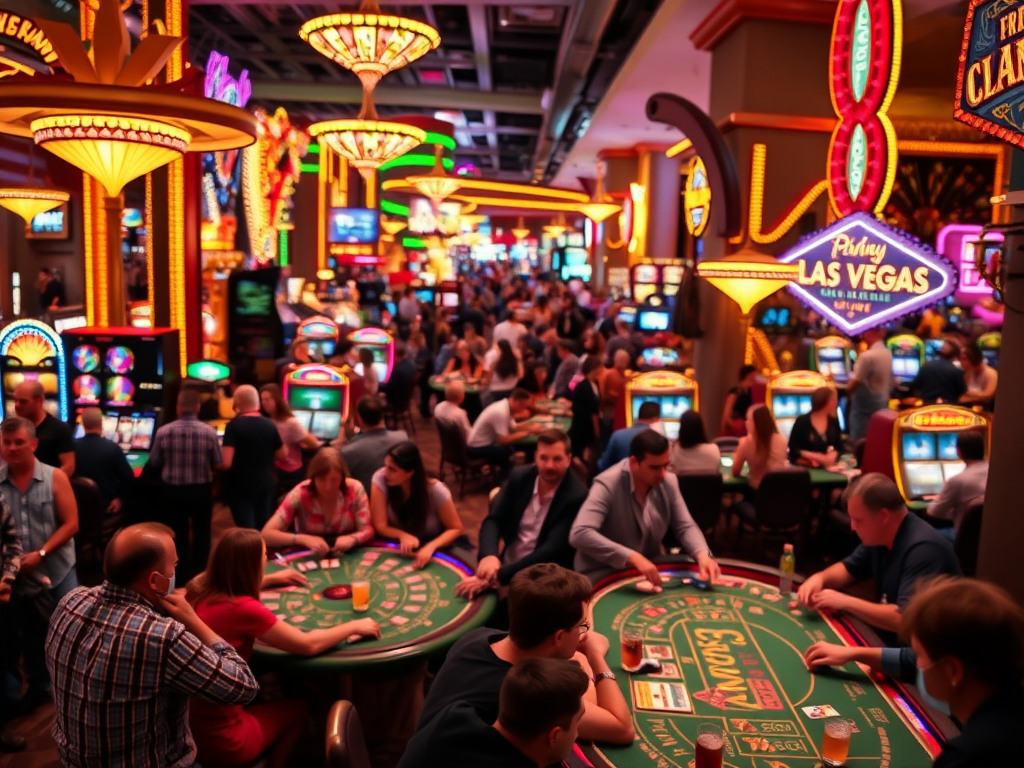
In a stroke of fortune (or misfortune, or general experience), I endured a 2-day depressive funk after winning hundreds of dollars at the casino. Given that I hadn’t taken any hard drugs while gambling (besides the occasional tequila soda), I chalked it up to something characteristic of me, that I wasn’t in the right profession, and that my lust for life had been genuinely forfeited for no good reason.
A quick search into the effects of gambling corrected my extremism, and I learned that dopamine crashes due to the overstimulation from casinos and constant dopamine spikes from the anticipation of betting money and playing the game can result in a post-gambling withdrawal.
Dopamine is a neurotransmitter (a chemical messenger in your brain) that helps control motivation, reward, pleasure, and movement. It spikes when you anticipate or experience something rewarding, which is why it’s linked to drive, focus, and habits. Balanced dopamine supports healthy motivation, while too much or too little can affect mood, attention, and addiction risk.
People with lower baseline dopamine signaling (e.g., in some cases of ADHD, depression, or chronic sleep deprivation) find drugs more rewarding than those with higher baseline dopamine function, which can increase vulnerability to addiction by making everyday rewards feel less salient. Similarly, pathological gambling is more common in these lower-baseline-dopamine-individuals, with subjects revealing significantly higher excitement levels when gambling compared to normal-to-higher-baseline-dopamine-individuals in a 2010 study.
Individuals who experience high levels of excitement when gambling may experience a counterweight depressive state after gambling, due to homeostatic synaptic plasticity. Homeostatic synaptic plasticity is the brain’s way of maintaining homeostasis: the brain monitors neural activity and initiates compensatory responses to return to a “set point,” which explains why a period of high excitement is often followed by a “low”. Acute withdrawal symptoms can be similar to that of low-grade drug withdrawal symptoms, including but not limited to: lethargy, moodiness, insomnia, depression, and anhedonia.
So if you’re like me and went to Vegas, had a blast, and came home wrought with feelings of depression (or no feelings at all), consider that your brain is simply recalibrating. Intense stimulation has a cost, but trust that equilibrium is inevitable.
References
- Watson, S. (2021, July 20). Dopamine: The pathway to pleasure. Harvard Health Publishing. Harvard Medical School. Retrieved from https://www.health.harvard.edu/mind-and-mood/dopamine-the-pathway-to-pleasure
- Linnet, J. (2013). The Iowa Gambling Task and the three fallacies of dopamine in gambling disorder. Frontiers in psychology, 4, 709.
- Linnet, J., Møller, A., Peterson, E., Gjedde, A., & Doudet, D. (2011). Dopamine release in ventral striatum during Iowa Gambling Task performance is associated with increased excitement levels in pathological gambling. Addiction, 106(2), 383-390.
- André, E. A., Forcelli, P. A., & Pak, D. T. (2018). What goes up must come down: homeostatic synaptic plasticity strategies in neurological disease. Future neurology, 13(1), 13-21.
- McKetin, R., Copeland, J., Norberg, M. M., Bruno, R., Hides, L., & Khawar, L. (2014). The effect of the ecstasy ‘come-down’on the diagnosis of ecstasy dependence. Drug and alcohol dependence, 139, 26-32.
 Science Indirect
Leave a comment