
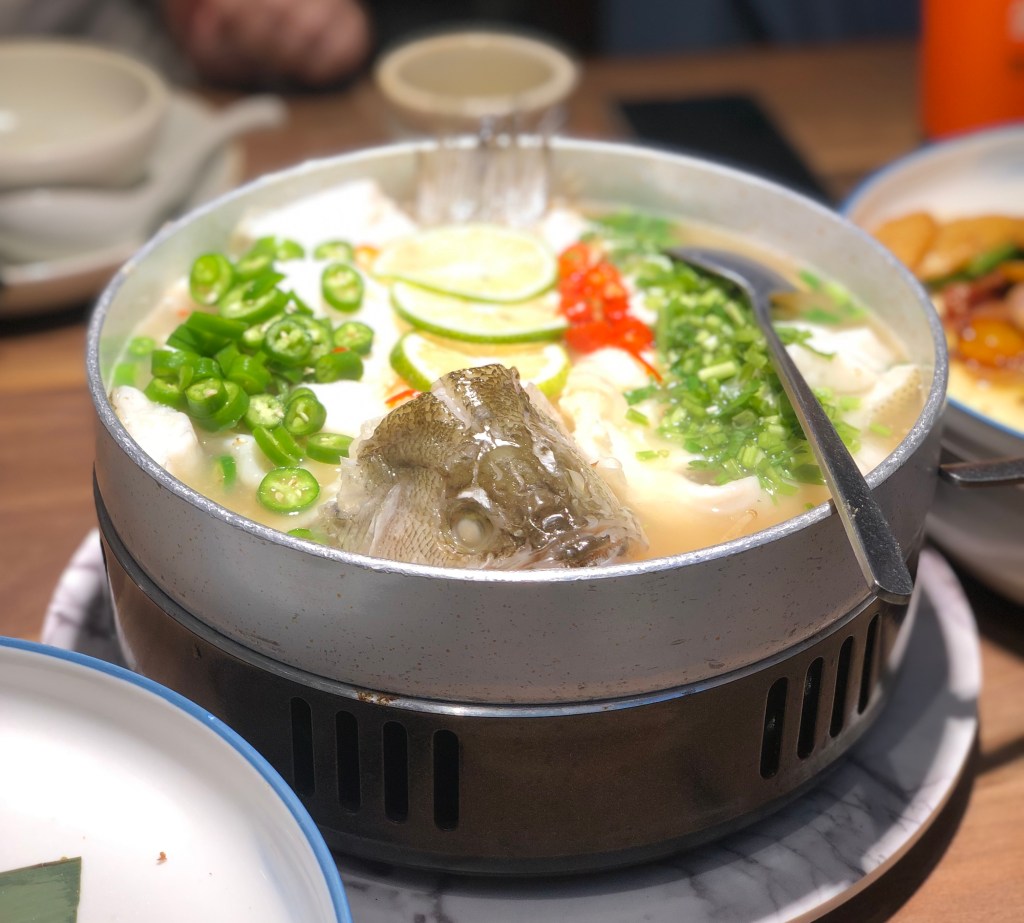
Stop only eating the “good stuff” [solids] if you can’t finish your soup!
Top 10 Vitamins For Human Health [tap/click to view]
Water-Soluble Vitamins
Vitamin C (Ascorbic Acid): Supports the immune system, promotes collagen production for healthy skin and tissues, and acts as a powerful antioxidant. Deficiency leads to scurvy, weakened immunity, and poor wound healing.
What are antioxidants? [tap/click to view]
Anti = opposite ofoxidant = something that causes oxidation.
Some oxidation processes in the body are necessary, such as the oxidation of alcohol to acetaldehyde to detoxify the liver when we intake alcohol (good oxidation!). However, many oxidants such as free radicals can damage healthy cells and contribute to aging and disease (bad oxidation). Antioxidants help prevent bad oxidation processes in our bodies.
Vitamin B9 (Folate/Folic Acid): Crucial for DNA synthesis, cell division, and fetal development during pregnancy. Deficiency can lead to birth defects, anemia, and impaired cell growth.
Vitamin B1 (Thiamine): Supports energy metabolism and proper nerve function. Deficiency causes beriberi, characterized by nerve damage and cardiovascular issues.
Vitamin B6 (Pyridoxine): Important for amino acid metabolism, neurotransmitter synthesis, and hemoglobin production. Deficiency can lead to irritability, depression, and anemia.
Vitamin B2 (Riboflavin): Helps convert food into energy and supports skin, eye, and nerve health. Deficiency causes skin disorders, light sensitivity, and sores.
Fat-Soluble Vitamins
Vitamin D: Critical for calcium absorption, bone health, and immune function. Deficiency leads to rickets in children and osteoporosis or osteomalacia in adults.
Vitamin A: Essential for vision, immune health, and skin integrity. Deficiency can cause night blindness and increase susceptibility to infections.
Vitamin K: Necessary for blood clotting and bone health. Deficiency can lead to excessive bleeding and weakened bones.
Vitamin E: Acts as a powerful antioxidant, protecting cells from damage, and supports immune function. Deficiency is rare but can result in nerve and muscle damage.
Vitamins from Food [tap/click to view]
| Vitamin | Found in |
|---|---|
| Vitamin C | citrus, bell peppers, broccoli, strawberries, kiwis |
| Vitamin B12 | meat, fish, eggs, dairy, fortified plant-based foods |
| Vitamin B9 | leafy greens, legumes, fortified grains, avocados |
| Vitamin B1 | whole grains, pork, nuts, legumes |
| Vitamin B6 | poultry, fish, bananas, potatoes, fortified cereals |
| Vitamin B2 | milk, eggs, almonds, mushrooms, spinach |
| Vitamin B3 | poultry, fish, peanuts, whole grains, fortified cereals |
| Vitamin B5 | meat, eggs, avocado, broccoli, whole grains |
| Vitamin D | fatty fish, egg yolks, fortified foods, sunlight |
| Vitamin A | liver, eggs, dairy, carrots, sweet potatoes, mangoes |
| Vitamin K | leafy greens, Brussels sprouts, natto |
| Vitamin E | nuts, seeds, vegetable oils, spinach, avocados |
Because soup has a lot of the REAL good stuff, and here’s why:
- Water-soluble vitamins (e.g. vitamins C, B1, B2, B3, B5, B9, and B12) degrade under high temperatures and leach into the water. A study by Igwemmar et al. (2013) found that boiling vegetables like spinach, pumpkin, and carrots for 30 minutes resulted in a loss of up to 60-70% of their vitamin C content.
- To recover leached vitamins and minerals, “there is a clear benefit in using cooking water [in gravies, sauces, or soups].“ Vitamin retention increases significantly, from around 40% to 60%, when larger vegetable cuts are used during cooking or blanching (with a size increase by a dimension of 5). On the other hand, finely chopping ingredients for soup exposes more surface area, allowing more vitamins and nutrients to be released into the liquid. [However, the physical damage to the food caused by fine chopping also causes nutrient degradation via oxidation.]
- Fat-soluble vitamins (e.g., vitamins D, A, K, and E) dissolve in the fat components of soup, such as oil, butter, or cream, making them more available for absorption by the body. E.g. your creamy corn soup, which contains vitamins A and E from the corn, allows these fat-soluble vitamins to dissolve into the soup’s fat components. Unlike water-soluble vitamins, fat-soluble vitamins are stable at cooking temperatures and aren’t likely to degrade during the cooking process.
- The longer the soup cooks, the more nutrients leach into the broth (consider 24-hour bone broth, stews, and curries). A study conducted by Wachtel-Galor et al. found that the total antioxidant capacity and phenolics content decreased in the vegetable and increased in the cooking water with time. Price, Casuscelli, Colquhoun, and Rhodes (1998) reported that after 15 minutes of boiling, only 18% of the total phenolic content remained in broccoli, with the majority leaching into the cooking water. [For context, phenolic compounds have antioxidant, anti-inflammatory, and antimicrobial properties]
This post is only about soup, but there are plenty of other methods to cook and eat your vegetables to retain more of its nutrients. Microwaving or steaming vegetables are popular methods to cook vegetables and maximize vitamin retention. Should it be very necessary to blanch or boil your vegetables, one could consider drinking the water that they are boiled in. Definitely won’t be the tastiest, but I bet Whole Foods could bottle that and sell it for $7.99 each with the correct marketing.
the correct marketing
Brand Concept: “VitalBroth” – Nature’s Nutrient Elixir
Tagline:
“Sip the Essence of Wellness.”
Product Description:
VitalBroth is the ultimate nutrient-infused beverage crafted from gently simmered organic vegetables, sustainably sourced from local farms. Packed with naturally occurring vitamins, minerals, and antioxidants like phenolics, this golden liquid is your daily dose of hydration and nourishment. Perfect as a mid-day refreshment, post-workout recovery, or a warming ritual, VitalBroth combines functionality with indulgence.
Unique Selling Points:
100% Organic: Made from fresh, non-GMO vegetables.
Rich in Nutrients: Contains water-soluble vitamins and plant-based phenolics for antioxidant support.
Zero Waste: Crafted using vegetable trims for sustainability.
Low-Calorie and Vegan: A health-forward option for any diet.
Infused Flavors: Gourmet varieties like “Turmeric Ginger Glow,” “Lemongrass Detox,” and “Smoky Beet & Thyme.”
Packaging: Premium Glass Bottles: Eco-friendly, chic design with minimalist labeling to reflect purity.
Sizes: Available in 8 oz. single-serve or 16 oz. shareable bottles.
VitalBroth isn’t just vegetable water—it’s a sophisticated health experience for the conscious consumer.
References
- Igwemmar, N. C., Kolawole, S. A., & Imran, I. A. (2013). Effect of heating on vitamin C content of some selected vegetables. International Journal of Scientific and Technology Research, 2(11), 209-212.
- Selman, J. D. (1994). Vitamin retention during blanching of vegetables. Food chemistry, 49(2), 137-147.
- Hodges, D. M., & Toivonen, P. M. (2008). Quality of fresh-cut fruits and vegetables as affected by exposure to abiotic stress. Postharvest Biology and Technology, 48(2), 155-162.
- National Research Council. (1989). Fat-soluble vitamins. In Recommended Dietary Allowances: 10th Edition. National Academies Press (US).
- Ravisankar, P., Reddy, A. A., Nagalakshmi, B., Koushik, O. S., Kumar, B. V., & Anvith, P. S. (2015). The comprehensive review on fat soluble vitamins. IOSR Journal of Pharmacy, 5(11), 12-28.
- Price, K. R., Casuscelli, F., Colquhoun, I. J., & Rhodes, M. J. (1998). Composition and content of flavonol glycosides in broccoli florets (Brassica olearacea) and their fate during cooking. Journal of the Science of Food and Agriculture, 77(4), 468-472.
- Sutter Health. (n.d.). Most nutritious way to cook vegetables. Sutter Health. https://www.sutterhealth.org/ask-an-expert/answers/most-nutritious-way-to-cook-vegetables-1051061424
 Science Indirect
Leave a reply to free will – Science Indirect Cancel reply